Continental Hydro, Inc. Engineering for the Sustainment of Life™
The Company
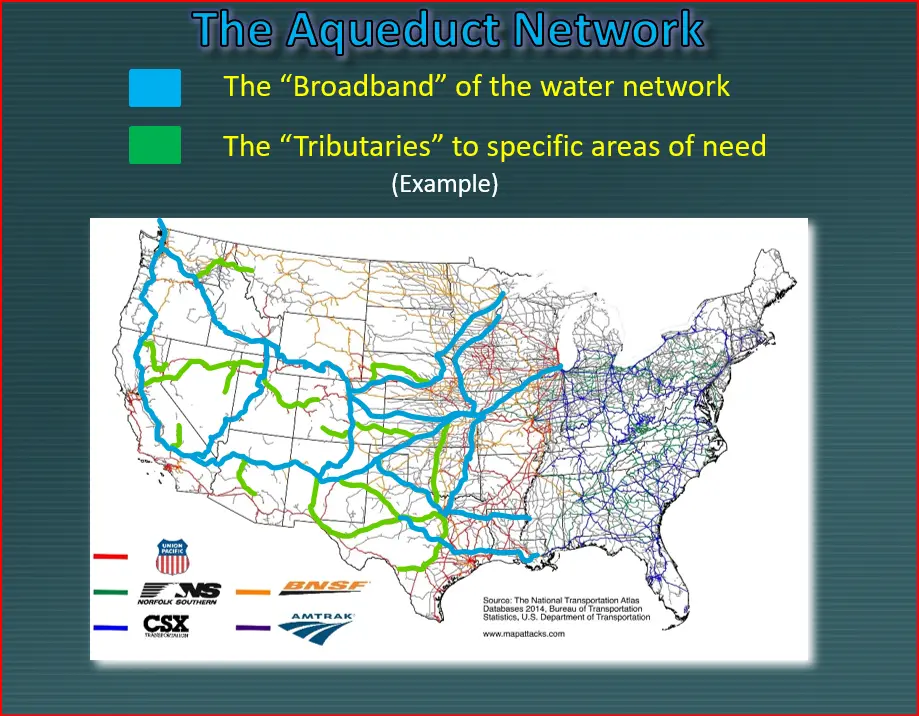
Continental Hydro, Inc., based in Boulder, Colorado, is a forward-thinking infrastructure leader dedicated to mitigating drought across the Western United States. Our flagship initiative, the National Water-Rail Grid™ (NWRG), is a strategic framework designed to address water scarcity by integrating distribution systems directly into the nation’s existing railway infrastructure.
By utilizing these stable linear assets, the NWRG implements a "hardened" ground-based model. This involves installing pipelines and fiber-optic sensors along rail corridors to create a resilient, self-monitoring utility network. This system enables the transport of high-volume water across diverse climatic zones, supported by real-time surveillance through advanced acoustic and thermal detection. Our technical framework leverages a decentralized architecture of filtration hubs and robotic maintenance tools to ensure peak operational reliability.
Ultimately, this phased infrastructure strategy transitions water management from a reactive, regional model to a predictive national system that operates independently of weather and climate volatility. When the NWRG is fully operational, the Colorado River would be released from its lower basin obligations resulting in greater availability to the upper basin states and allowing the return of both Lakes Powell and Mead to return to their original storage levels.
Continental Hydro is currently engaged with a diverse coalition of stakeholders—including major research universities, Class I railroads, industrial pipe manufacturers, and governmental agencies—to develop the financial models and construction timelines necessary to prioritize critical rehydration pathways.
A Proposal to Rehydrate the Western United States
The Problems
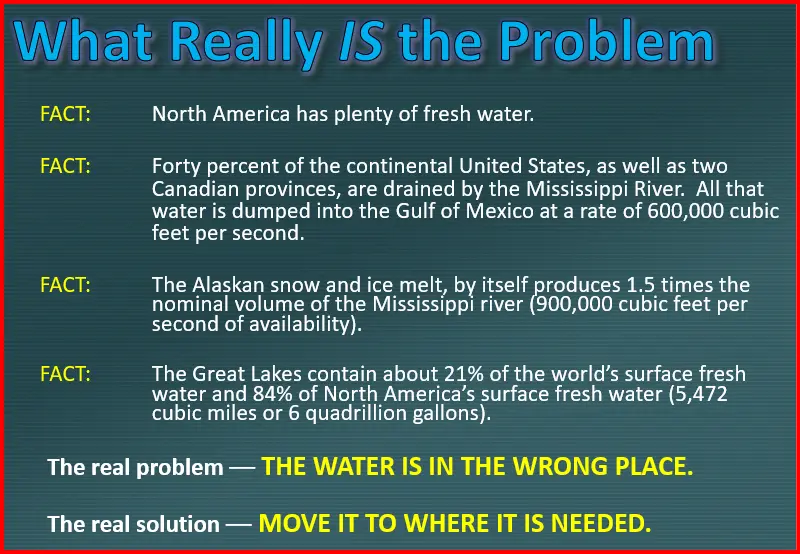
We have plenty of fresh water. The problem is, it's in the wrong place.
No infrastructure exists to transport large volumes of water.
The loss of water through evaporation is significant.
Too much dependance is placed upon existing river systems such as the Colorado river for down-stream users.
Aquifers are over exploited and see no future relief.
No reservoir replenishment exists during drought conditions.
Why The Rail System?
The national rail system has approximately 160,000 miles of active standard gauge railway and another 60,000 miles of decommissioned rail that is still under railway ownership.
The physical infrastructure is already in place and paid for.
The entire rail system runs on a grade between 0 and 2.2%.
With very few exceptions, the "Right-of-Ways" are already established.
Rail lines already exist with multiple paths between where the water is abundant to where it is needed.
The Solution
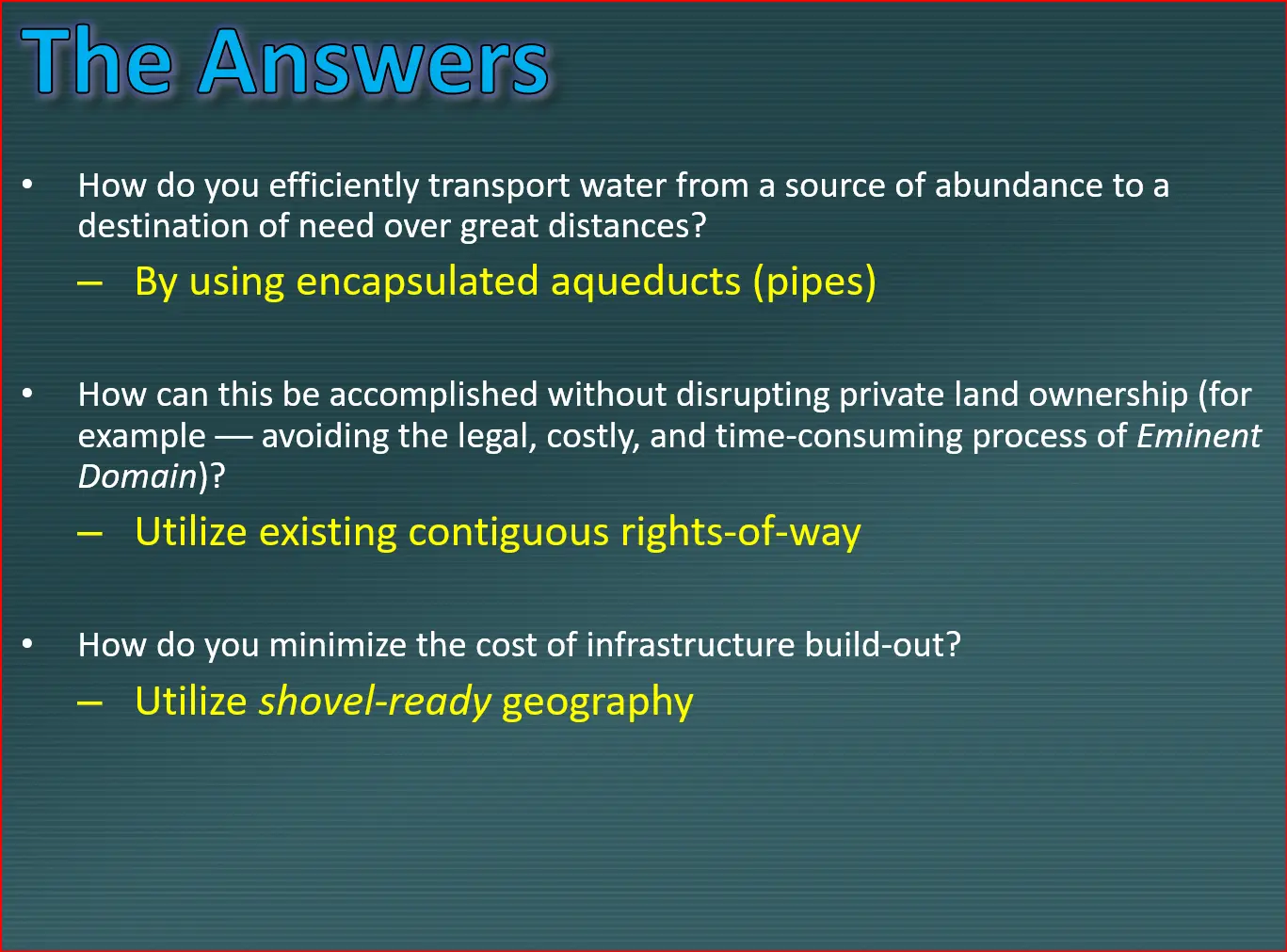
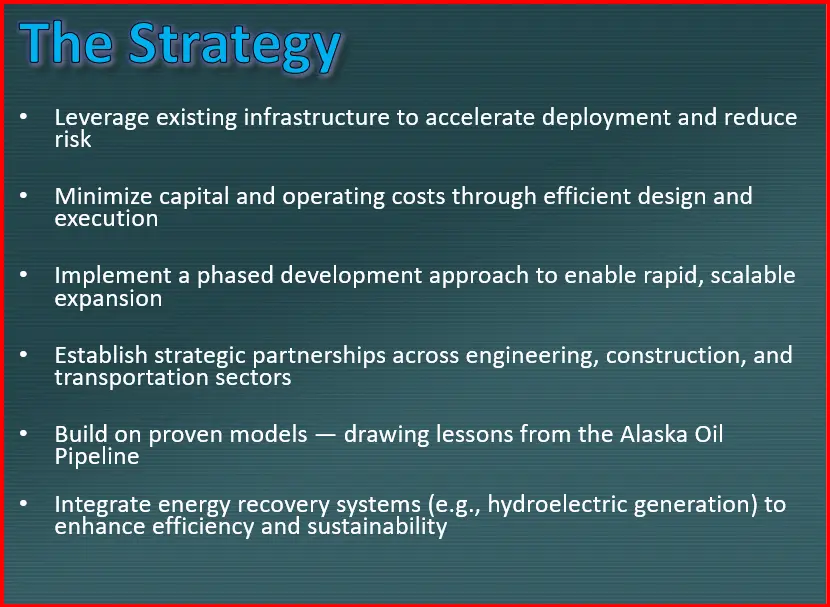
Utilize an existing infrastructure that is essentially shovel ready, exempt from the legal, time consuming and costly process of eminent domain. To minimize the development costs, utilize the rail system to deliver pipe, heavy equipment, and work crews.
To offset the operational costs while simultaneously contributing to the national power grid, implement portable hydroelectric generation units deployed along rail segments that intersect pipelines with electrical grid transmission and distribution lines.
The rail based aqueduct system provides the future distribution network for coastal desalinization water sources.
Infrastructure
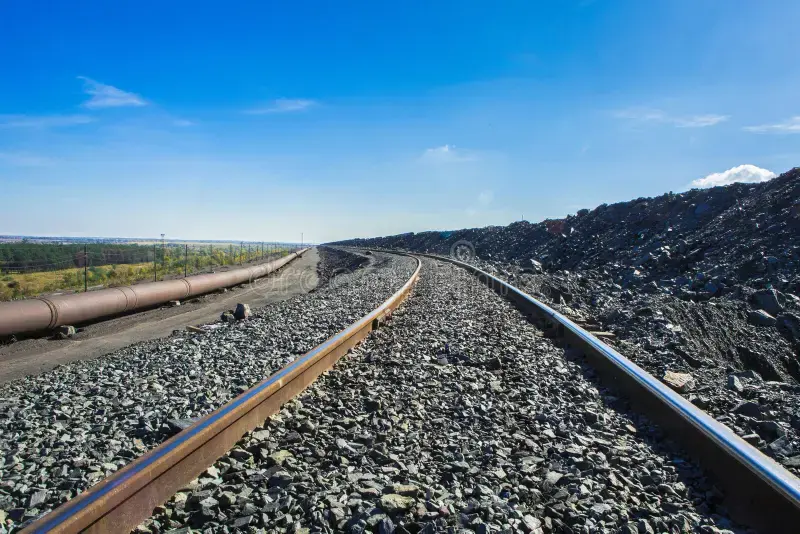
Shovel ready geography with established rights of way 50 to 100 feet on each side of the rail bed centerline.
Construction
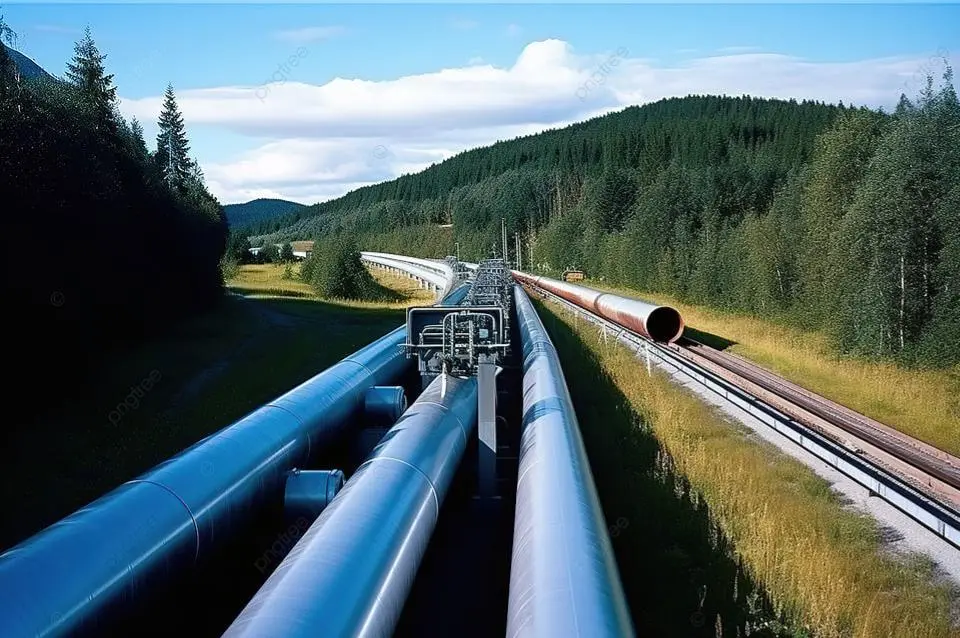
Pipe segments follow existing railroad beds using the railroads for transport of pipe segments, heavy equipment and work force.
Proposal Elements
Water Resources

Sources of fresh water include: The Great Lakes, Alaska, Mississippi, and Columbia Rivers.
Operation
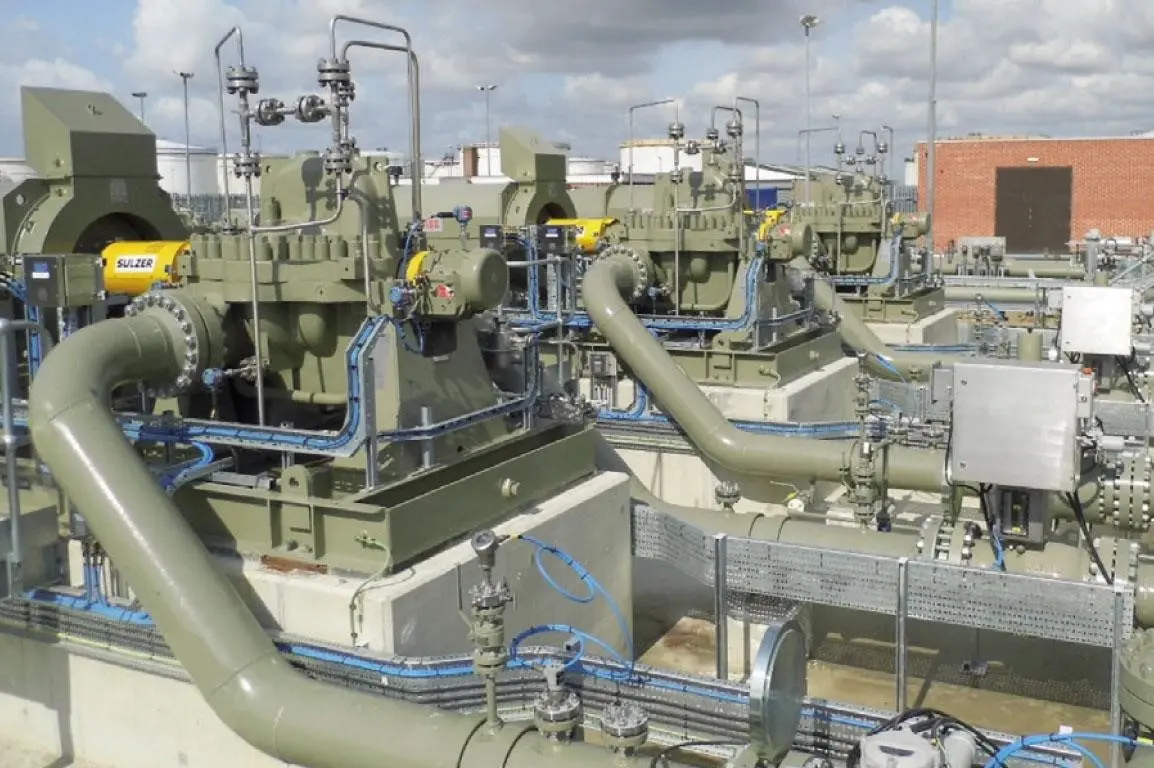
Pumping stations operated using natural gas-powered turbines, minimizing the demand on the electrical grid.
Key Metrics of Water Sources
Metrics were derived from the following sources:
- U.S. Drought Monitor (2026)
- NASA, Earth Observatory (2026)
- National Parks Service (2026)
- Smithsonian Magazine (2015)
- Environmental Protection Agency (2026)
- Trans-Alaska Pipeline (1970)
- Water Education Colorado (2026)
- NOAA Climate Prediction Center (2026)
Lake Powell
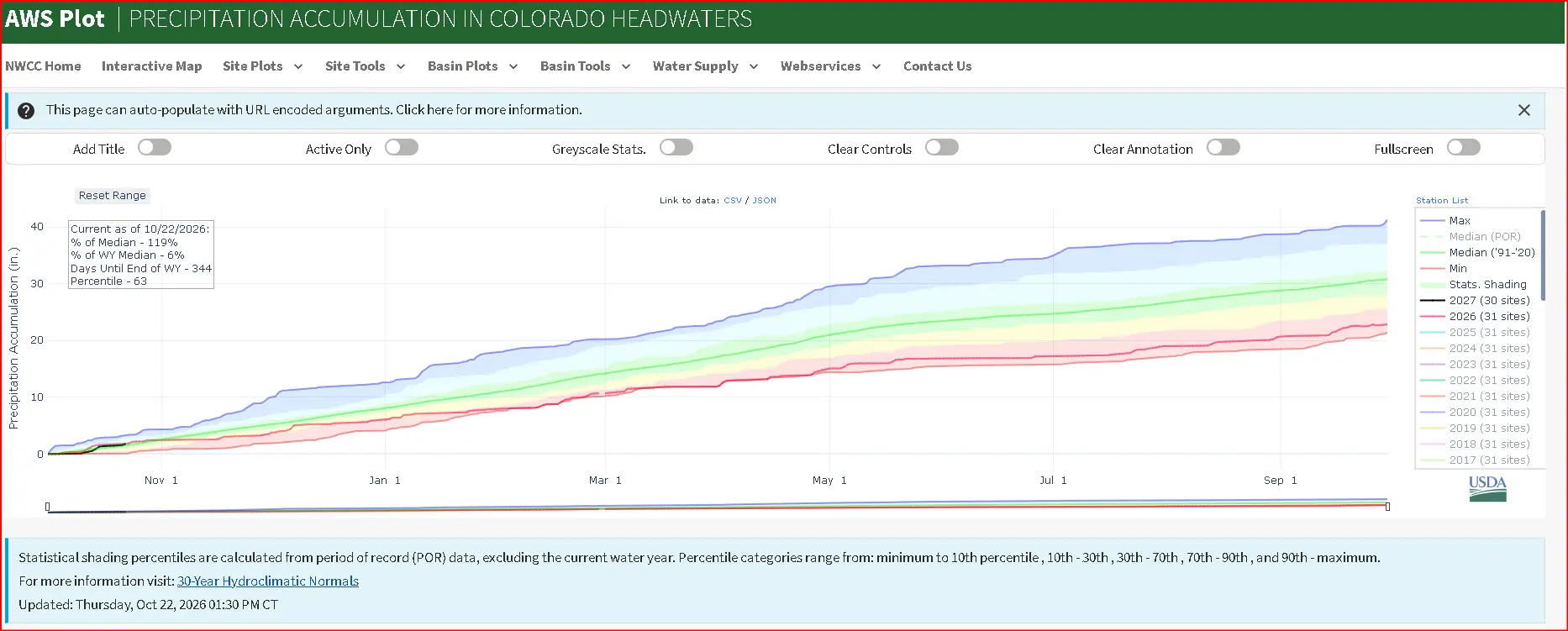
Lake Powell is currently projected to reach minimum power pool (3,490 ft) in late 2026, based on the most recent Bureau of Reclamation forecasts.
This is not speculation — it comes directly from the 2026 24‑Month Studies and probabilistic hydrology models.
Lake Mead
Lake Mead is now only 2.75 feet above the 1,035‑foot elevation where 12 of Hoover Dam’s 17 turbines must be shut down due to cavitation risk, meaning a major loss of hydropower capacity is no longer a long‑range forecast but an imminent operational threshold. At recent decline rates, Mead could realistically reach 1,035 feet within weeks to a few months unless inflows increase or releases are reduced, making partial hydropower shutdown a high‑probability.
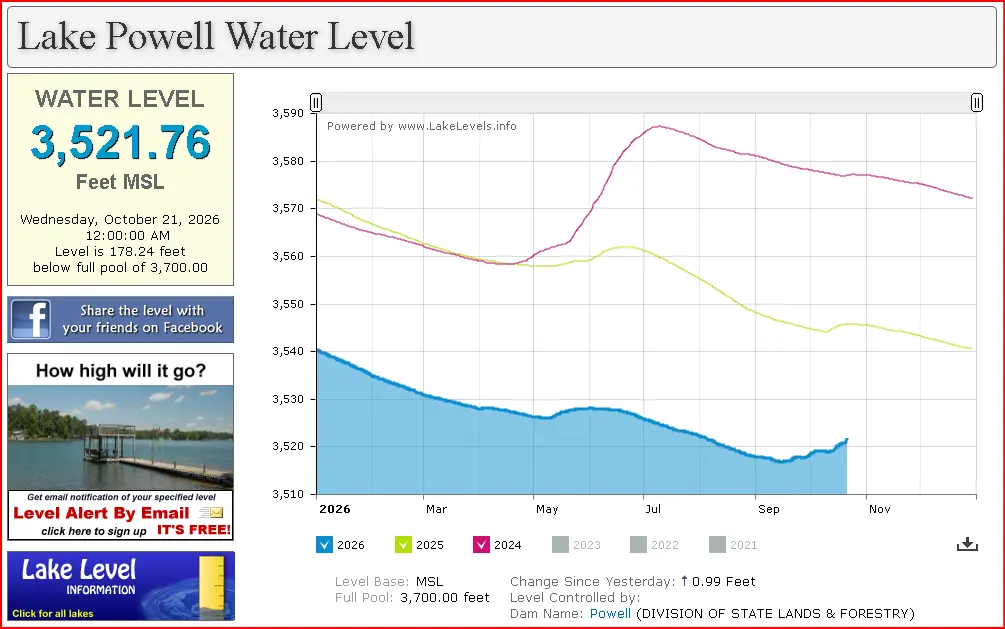
Lake Powell
Before reaching dead pool at 3,370 feet, where water cannot exit the dam, the reservoir would hit minimum power pool at 3,490 feet—the point where Glen Canyon Dam can no longer generate hydroelectric power. (Amount of near-term water level loss to reach minimum power pool is 31.76 feet. The Bureau of Reclamation predicts the water level will reach Minimum Power Pool in December of 2026)
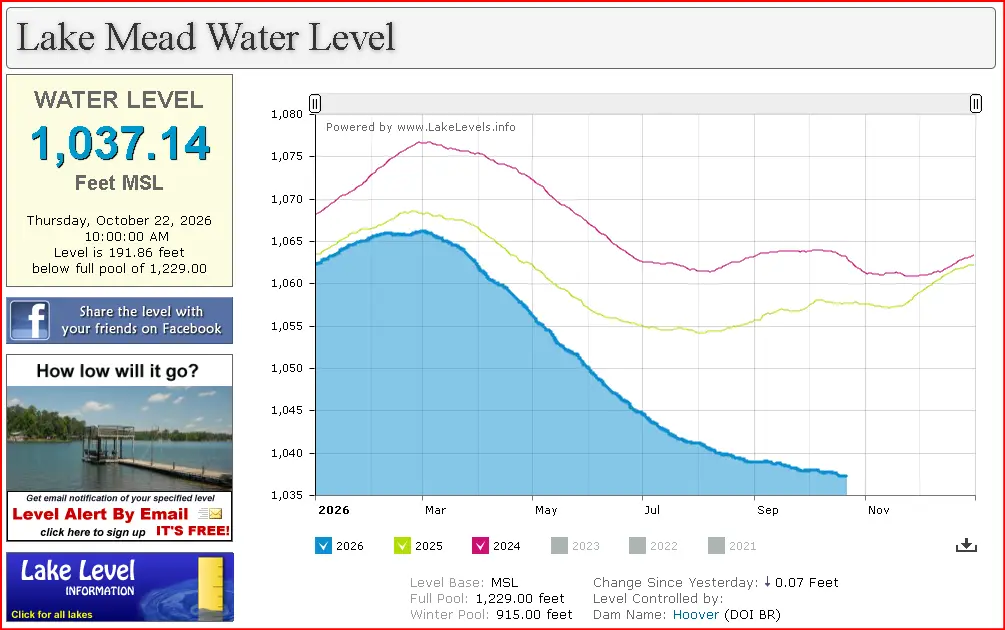
Lake Mead
Before reaching dead pool at 895 feet, where water cannot exit the dam, the reservoir would have to shut down 12 of its existing 17 turbines if the water level reaches 1,035 feet. At this level, 12 turbines would experience catastrophic cavitation. The remaining 5 turbines are "wide-head" which can tolerate the expected cavitation. (Amount of near-term water level loss to reach this minimum level is only 2.14 feet)
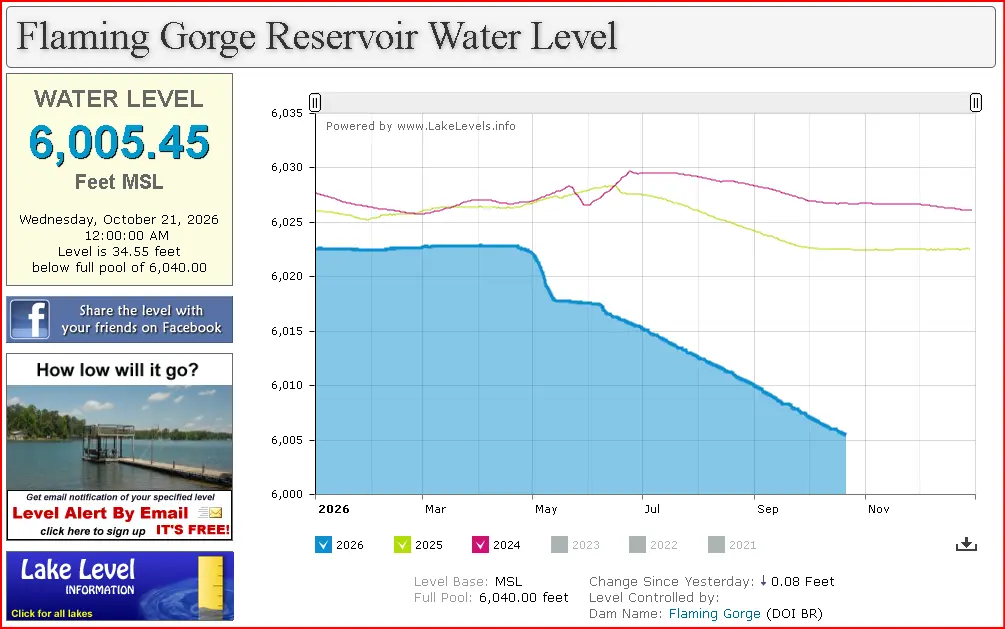
Flaming Gorge Reservoir
The U.S. Bureau of Reclamation authorized supplemental water releases from Flaming Gorge Dam to help shore up Lake Powell, which is approaching minimum power pool elevation. The releases will lower Flaming Gorge Reservoir by approximately 35 feet over 12 months, dropping it from about 82 percent of capacity to roughly 59 percent.
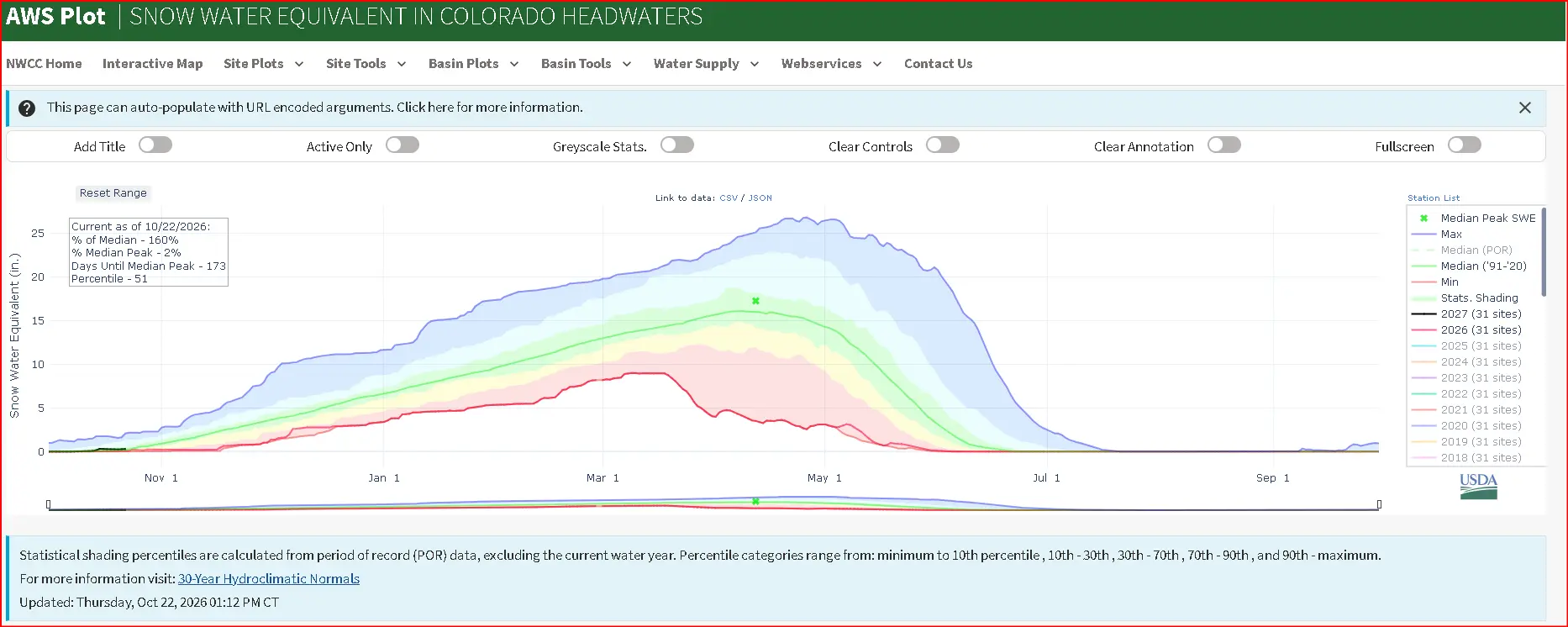
News & Information
Hydration Solutions
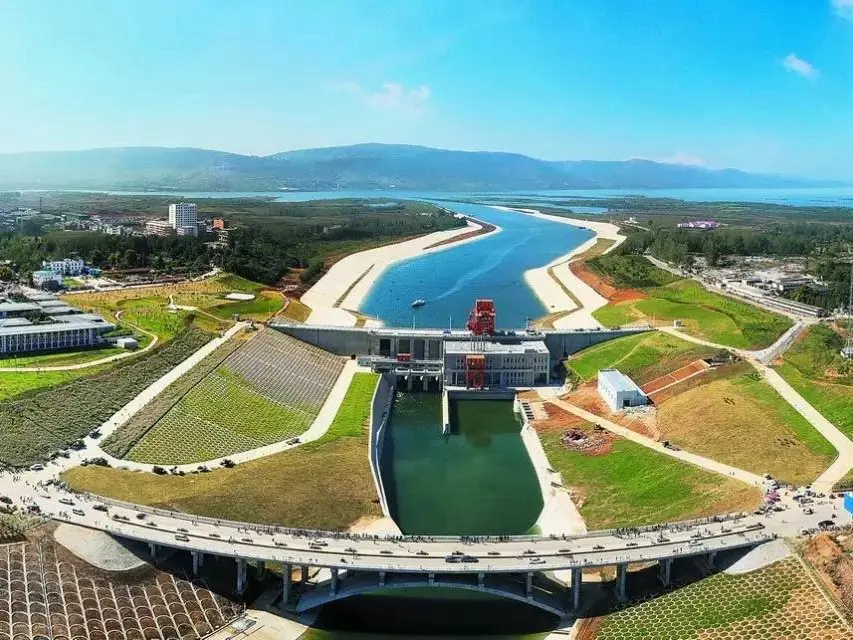
Over the past several years China's water shortages in their Northern regions as well as overly exploited aquifers have resulted in a major water redistribution project. Costing over $71 billion U.S. dollars, the project now diverts over 44.8 billion cubic meters of fresh water annually through a massive South to North Water Diversion Project (SNWDP). Over 20 cities including Beijing now receive their water from this project. Thirty rivers have been replenished and over 120 million people are now beneficiaries including agricultural areas in the North.
This project confirms that water distribution projects of this magnitude are feasible. A more detailed video presentation follows this news item.
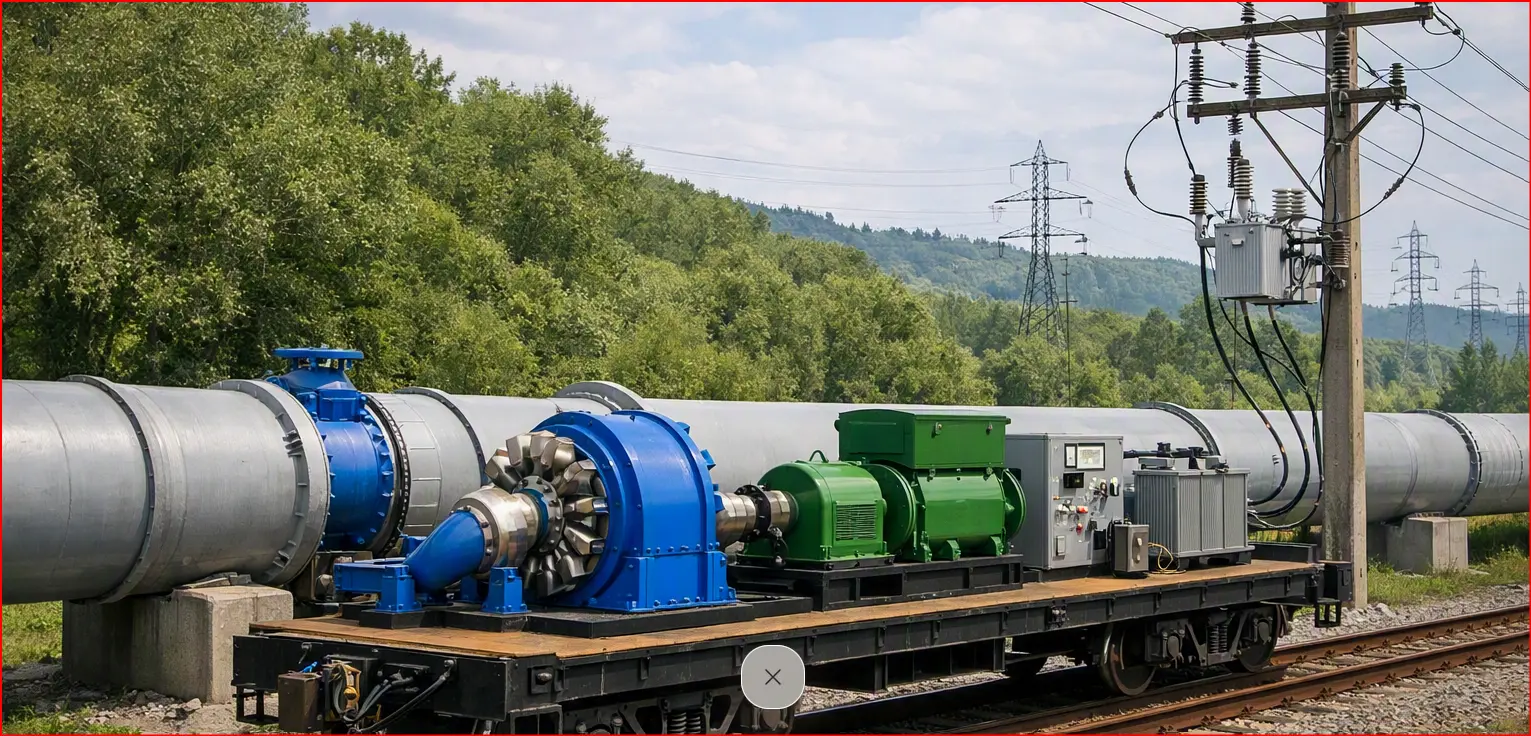
AI Generated Concept Image
In this example, a Continental Hydro, Inc. hydroelectric rail car would be connected to a high flow water line with electrical output connected to the national or local grid.
Portable Hydroelectric Power
With the use of natural gas to power the NWRG pumping stations, the pressure, flow rate, and volume of water within the pipe network provides the energy source for hydro-electric generation. Repurposing existing wind generators which provide 1- 2.5- and 5- megawatts of electric power, depending upon the diameter and flow in 4- 6- and 8- foot diameter pipes, would be used to inject electrical energy into the national power grid. These portable hydro-electric rail cars would be managed and serviced by the applicable railroad organization that deploys them on their rail lines.
Through the use of natural gas to power the distributed pumping stations, as used on the Alaska oil pipeline, no dependence on the electrical grid would be necessary. All hydroelectric generated power would be a net add to the national power infrastructure.
The rail car would accommodate both the synchronous generator and the interface to the electrical grid network. Connectivity to the water line would be made through a (horseshoe) connection with electronically controlled valves. This will ensure stable water pressure and flow rate to the turbine. When the hydroelectric rail car is not present the water flows straight through, bypassing the horse shoe off-ramped water path.
This is a new category: Distributed linear hydropower infrastructure™
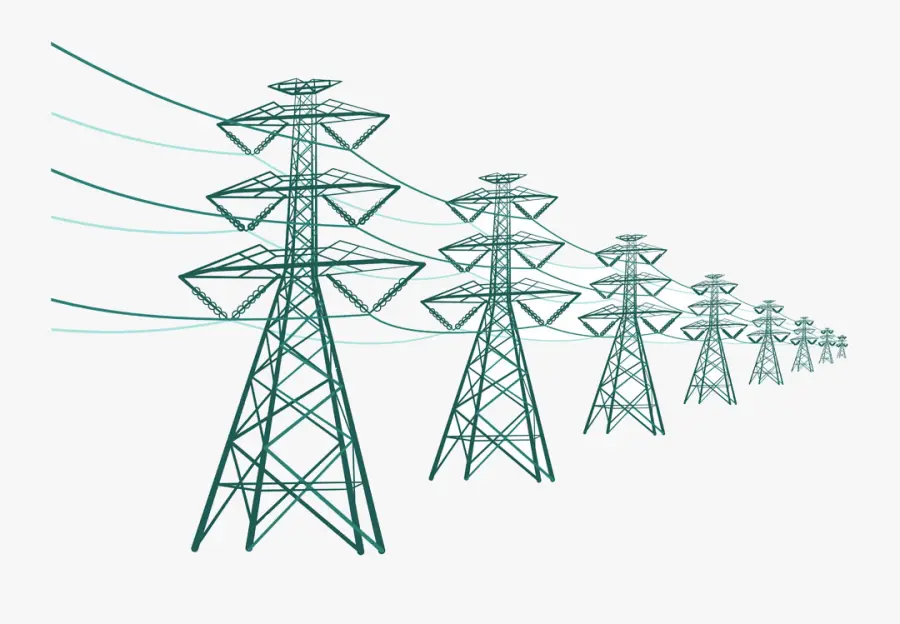
Distributed Hydropower Along Rail Corridors
Portable hydroelectric units mounted on rail platforms generate power directly at transmission nodes—eliminating the need for centralized plants and reducing grid losses.
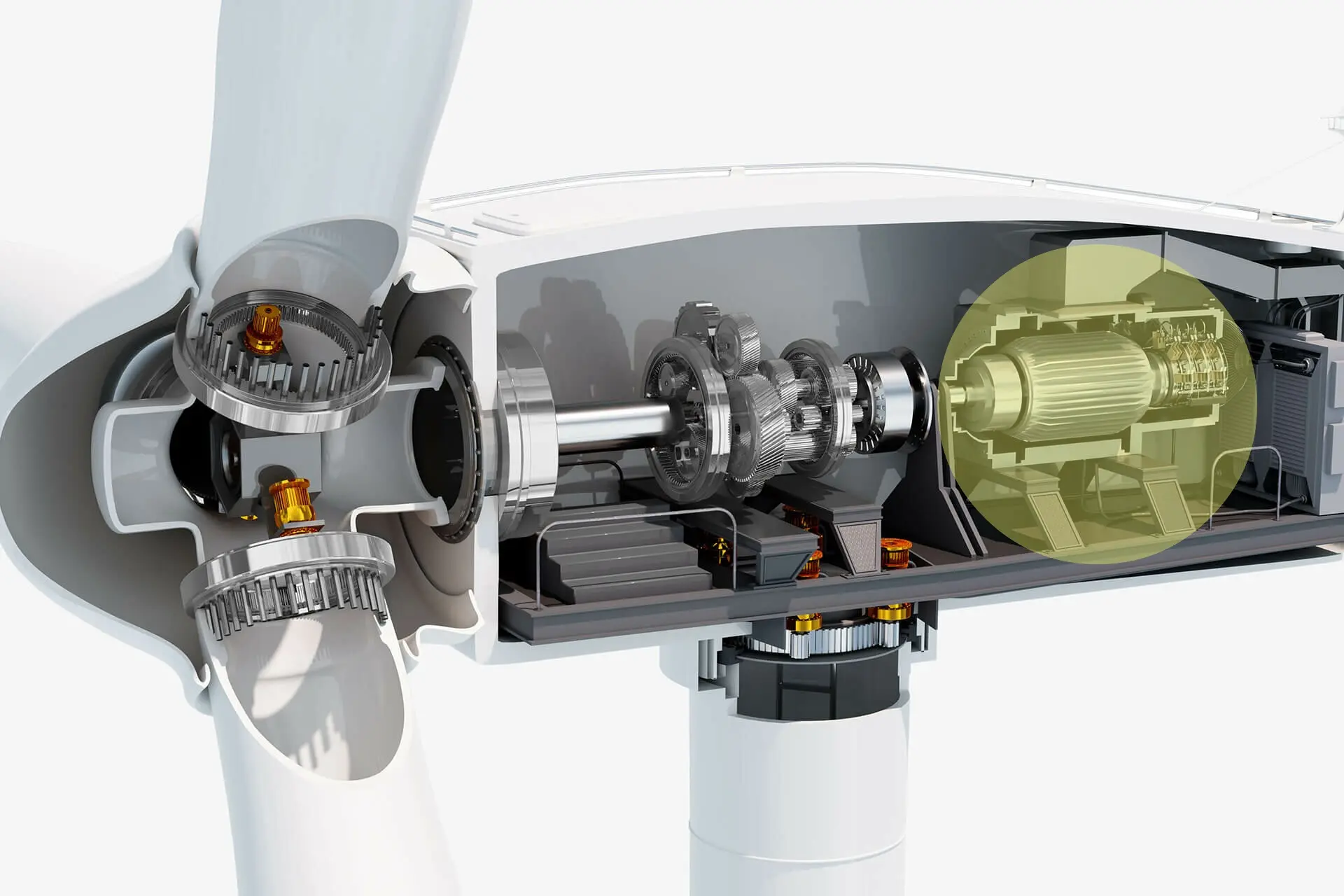
Repurposed Wind Generators = Rapid Deployment
Mass-produced wind turbine generators (250kW-5MW) are redeployed for hydro use—cutting capital costs and enabling fast, scalable installation across the network.

Inline Pipeline Energy Recovery
High-efficiency axial turbines embedded within large-diameter pipelines convert flowing water into continuous, distributed renewable energy—without requiring dams or elevation drops.
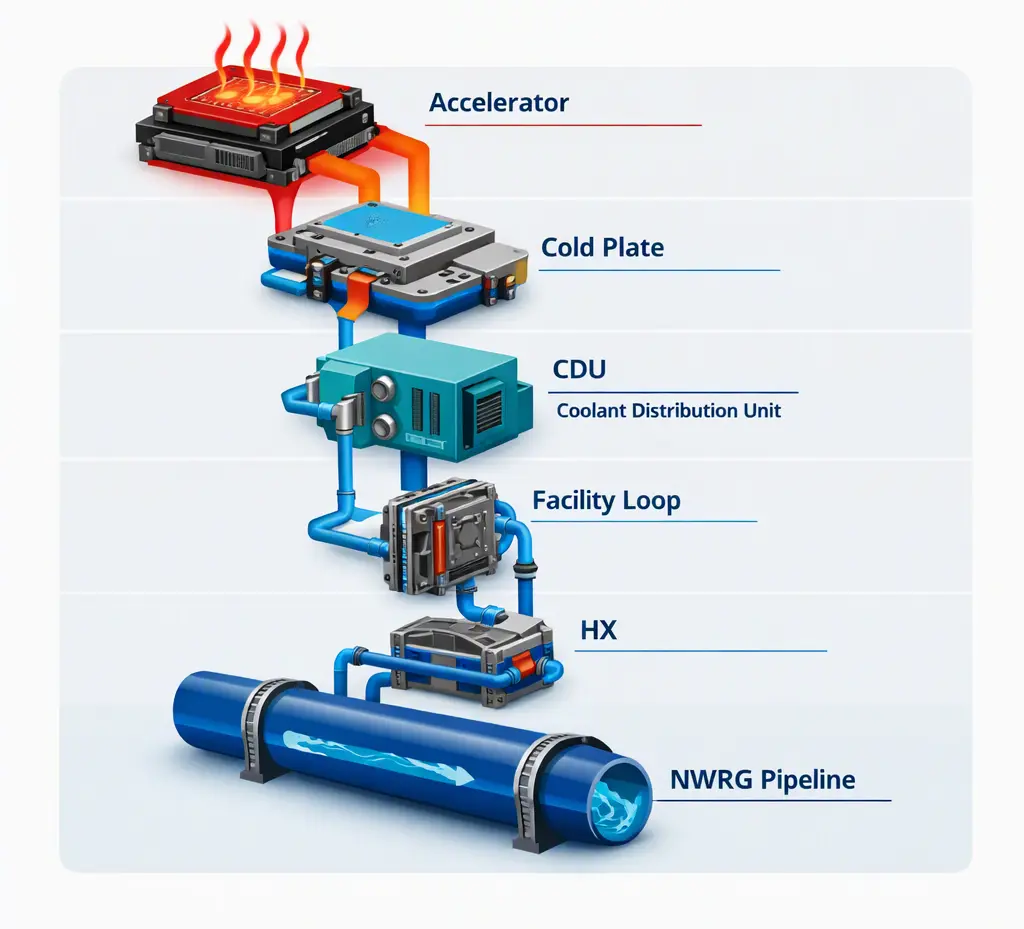
Closed‑Loop Hydronic Thermal‑Management System for Hyperscale Data Centers.
Integrating an NWRG node into hyperscale data center construction offers a highly efficient path toward sustainable AI expansion. For mid-scale developments or initial phases up to 130 MW, a 4-foot pipeline configuration provides ample thermal headroom. For gigawatt-scale AI campuses, a single 6-foot pipeline deployment unlocks nearly 300 MW of continuous, chiller-less heat rejection capacity while eliminating localized water consumption constraints.
Traditional data centers exhaust heat via evaporative cooling towers, losing millions of gallons daily to the atmosphere. The NWRG system operates on a pure sensible heat exchange framework. Every gallon diverted for cooling is returned directly to the pipeline, achieving 100% water conservation.
The high thermal mass of the continuous water column allows the data center to operate entirely in free-cooling mode year-round. Omitting energy-intensive mechanical compressor chillers drops the facility's design PUE (Power Usage Effectiveness) to <1.05. For every 1.05 watt entering the facility, 1.00 watt powers the IT equipment. Only 0.05 watts (5%) are used for cooling, power distribution losses, lighting, etc. This is extremely close to the theoretical ideal of 1.00, where all power goes to computing.
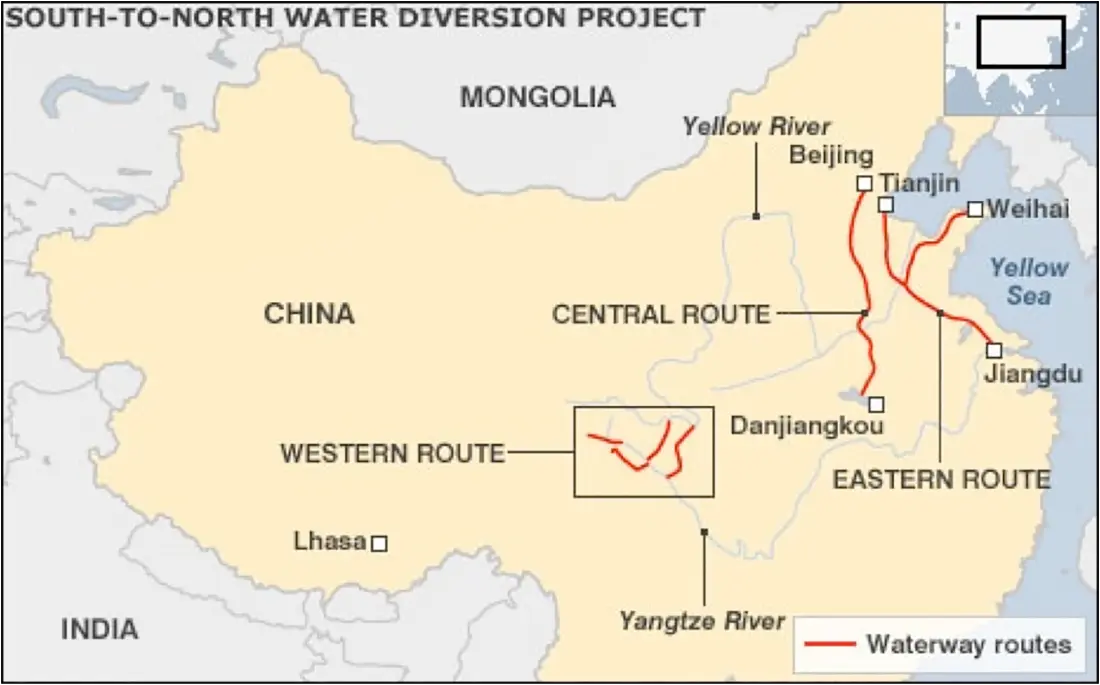
China's South to North Water Transfer Project,
is a multi-decade infrastructure mega-project in China that aims to channel 44.8 cubic kilometers (44.8 billion cubic meters) of fresh water each year from the Yangtze River in southern China to the more arid and industrialized north through three canal and pipe systems.
- The Eastern Route through the course of the Grand Canal
- The Central Route from the upper reaches of the Han River (a tributary of the Yangtze) via the Grand Aqueduct to Beijing and Tianjin
- The Western Route, yet to be built, which goes from three tributaries of the Yangtze near Bayankala Mountain to the provinces of Qinghai, Gansu, Shaanxi, Inner Mongolia and Nigxia
Who Said it Can't be Done?
China has already accomplished this.
PODCASTS
Contact Us
We'd love to hear from you! If you have any questions, feedback, or need assistance, please feel free to reach out to us using the contact details provided. Our team is here to help and will respond as soon as possible. Thank you for getting in touch!
Phone
Office
2314 Eagles Nest Drive, Lafayette, CO 80026